
British Values and SMSC
How does Townfield Primary School promote the British Values?
In accordance with the DfE guidance on promoting fundamental British Values in schools, Townfield Primary School has developed approaches which teach children about British Values in several ways:
At Townfield Primary School, we value the diverse ethnic backgrounds of all pupils and families and undertake a variety of events and lessons to celebrate these. We have found this approach to be enriching for all parties as it teaches tolerance, appreciation and respect for the differences in our community and the wider world. Underpinning all of this is a range of curriculum topics, which have strong links to the British Empire. At Townfield Primary School, these values are reinforced regularly and in the following ways:
Democracy and Pupil Leadership
Democracy is well established within the school, ensuring that pupils have consistent opportunities to have their voices heard through regular pupil voice sessions and questionnaires. This democratic spirit is woven into the fabric of school life, where elections for class representatives and decisions regarding book orders, the school menu, and the purchase of playground equipment are all determined by a fair vote. To deepen this understanding, a representative group of pupils travels to London annually to explore Parliament and take part in debates within the Houses of Parliament, experiencing the democratic process in a real-world setting. These values are further reinforced through our PSHE curriculum and the use of Picture News resources to debate current issues.
Beyond the classroom, we empower our students through specific leadership roles that drive genuine change:
-
Trust Leadership Team: A selection of Year 6 children are chosen to represent the school on the Trust-wide leadership team. These ambassadors help make informed, high-level decisions regarding safeguarding, inclusion, and the curriculum.
-
Class Wellbeing Workers: To support the emotional health of our community, these representatives meet frequently to lead initiatives that boost mental health and wellbeing for every pupil in our school.
The Rule of Law
At our school, we strive to develop educated and impactful citizens of the future. A fundamental part of this journey is fostering an in-depth understanding of the Rule of Law, teaching our pupils that rules are essential for a well-functioning society. We ensure that the importance of laws—whether they govern a classroom, the school, or the country—is reinforced daily through our high expectations and our approach to behaviour. Pupils are taught the value of and reasons behind laws: that they exist to govern and protect us, the responsibilities they involve, and the consequences faced when they are broken. We emphasise that a community can only protect all its members if there are rules that everyone is expected to follow.
To support our children’s development and understanding, we implement the following:
-
Clear Expectations: We maintain a transparent system of rules with concise rewards and consequences, ensuring children grasp the practical importance of boundaries.
-
Pupil Leadership: Dedicated leadership roles empower children to support their peers in following our school rules and modelling positive behaviour.
-
Integrated Curriculum: Our PSHCE curriculum makes continuous links to the Rule of Law, including essential guidance on how to use the internet safely and appropriately.
-
Expert Visitors: Regular visits from authorities such as the Police and Fire Service help reinforce the role of law in our wider community.
-
Reflective Learning: Weekly assemblies and Picture News resources provide a platform for pupils to discuss and debate current issues and how British Values impact their lives.
-
Life Skills: We develop an understanding of rules outside the school gates through practical initiatives like Road Safety workshops and Bikeability sessions.
Individual Liberty
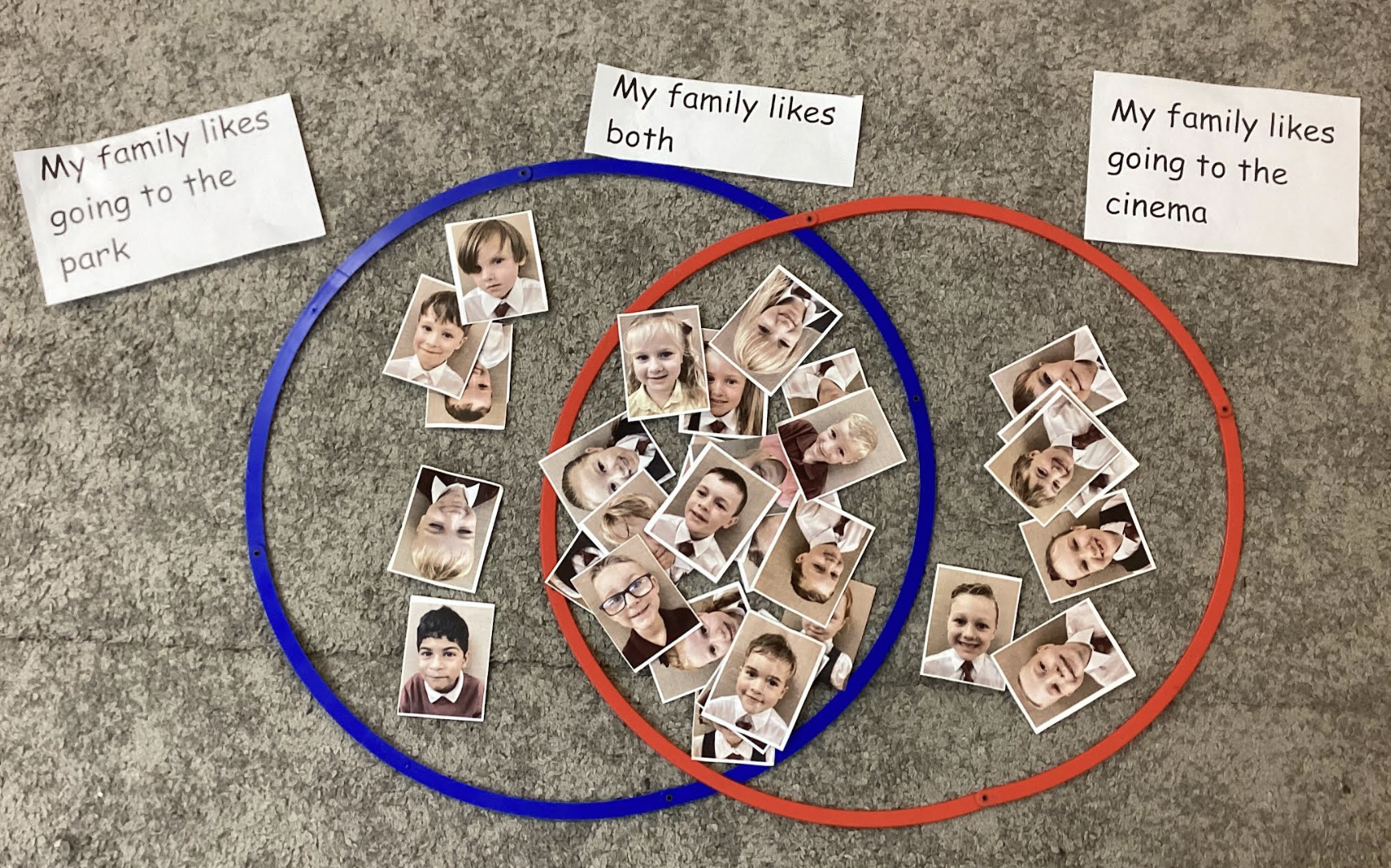
At our school, pupils are actively encouraged to make independent choices within a safe and supportive environment. We believe that by providing clear boundaries and an empowering education, we enable our students to exercise their rights and personal freedoms responsibly. This journey of self-discovery is guided by our core values of Wisdom and Trust, encouraging children to trust their own judgement and learn from their unique experiences. From choosing how to record their learning in class to deciding which of our numerous extra-curricular clubs to join, pupils are given the autonomy to shape their own school experience.
To support the development of individual liberty, we use the following:
-
The ‘Be Statements’ and Rainbow Passports: We use our ‘Be Statements’ to help children identify the skills needed to be active citizens, such as being safe, creative, or a changemaker. These are recorded in our Rainbow Passports, which allow children to reflect on their personal journey through school and the specific values they are developing.
-
Empowered Decision Making: Pupils learn the importance of their choices through practical actions, such as voting for the school council and participating in lunch-time activities and clubs.
-
Rights and Responsibilities: Through PSHCE, RSE, and E-Safety lessons, we teach pupils how to exercise their personal freedoms safely, particularly when navigating relationships and the digital world.
-
Reflective Discussion: Weekly assemblies and Picture News resources provide a platform for pupils to debate current issues, helping them form and express their own informed opinions.
-
A Safe Environment: We provide the necessary framework for young pupils to make choices regarding their own safety, ensuring they feel confident and protected as they explore their independence.
Mutual Respect
Part of our school ethos and behaviour policy has revolved around mutual respect. Pupils have been part of discussions and assemblies related to what this means and how it is shown. Posters around the school promote respect for others and this is reiterated through our classroom and learning expectations, as well as our behaviour policy. Through our induction procedures for new pupils and families, our ethos of mutual respect is a high priority. We use the No Outsiders curriculum to help teach the children about the Equality Act to ensure that they understand that we need to treat each other with respect regardless of gender, religion, race, age, ability etc.
Tolerance of those of Different Faiths and Beliefs
At our school, mutual respect is at the heart of our ethos and is fundamental to our behaviour policy. We foster a culture where friendship and trust flourish, ensuring that every member of our community feels valued and safe. We achieve this by enhancing pupils' understanding of their place in a culturally diverse society and providing meaningful opportunities to experience that diversity firsthand. From the very beginning, our induction procedures prioritise this culture of respect, setting clear expectations for how we interact with one another. This is consistently reinforced through our learning environments, school values, and assemblies that address prejudices and promote kindness.
To ensure our pupils grow into inclusive and empathetic individuals, we use the following:
-
The No Outsiders Curriculum: We use this programme to teach children about the Equality Act, ensuring they understand the importance of treating everyone with respect regardless of gender, religion, race, age, or ability.
-
Celebration of Diversity: We actively celebrate a diverse range of cultural and religious events throughout the year to raise the profile of different traditions and global perspectives.
-
Community Connections: We welcome members of different faiths to share their knowledge with our classes and organise visits to local places of worship to enrich our RE and PSHCE curricula.
-
Integrated PSHCE: Our curriculum makes continuous links to Mutual Respect and Tolerance, helping pupils navigate relationships and understand the importance of standing up against prejudice-based bullying.
-
Safe and Inclusive Environment: By combining our values of Wisdom and Trust with our high expectations for behaviour, we create a space where every child belongs and can succeed.